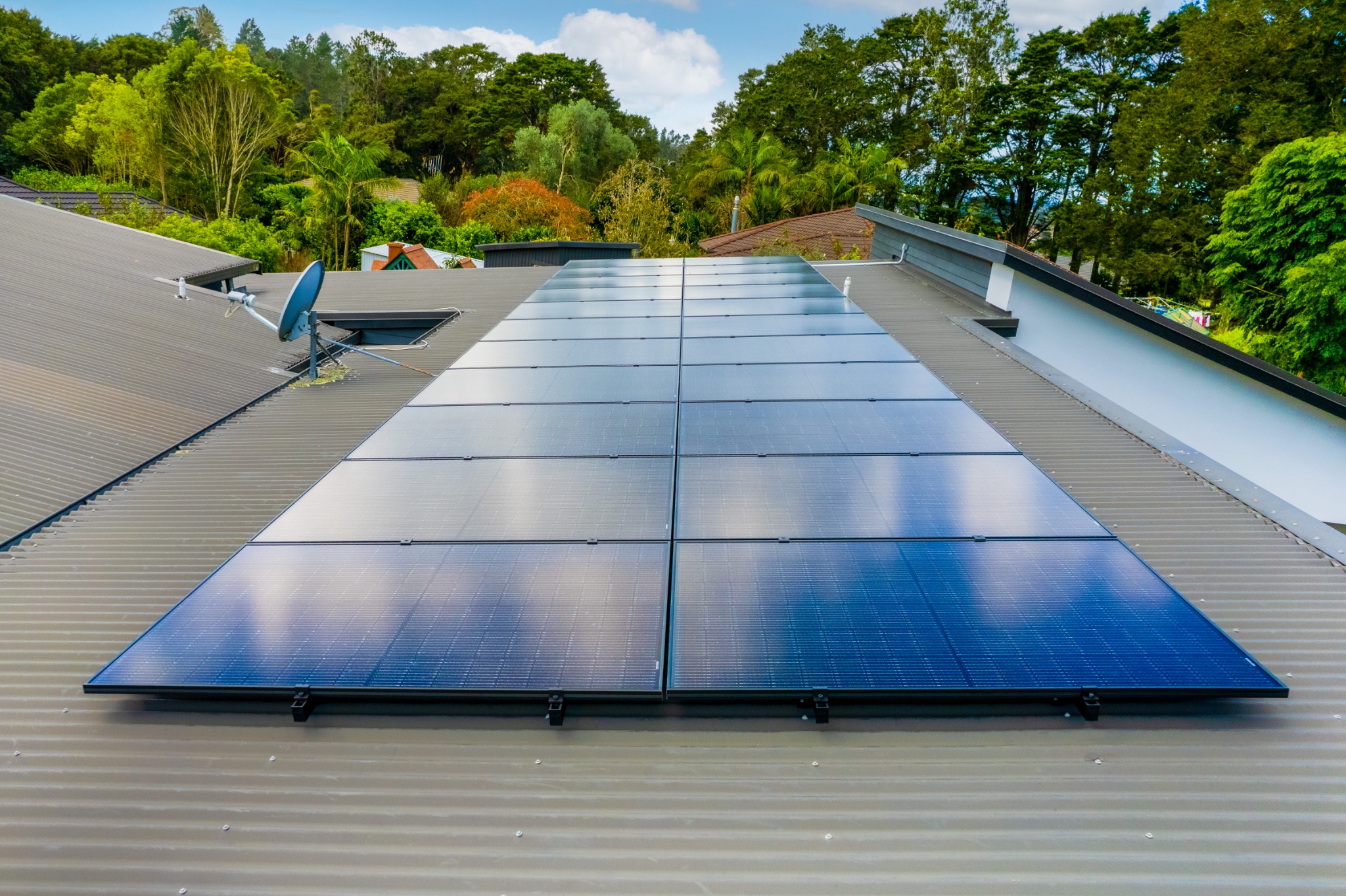
Water heating can be a significant electrical load in a home, so a hot-water heat pump can materially change the household electricity profile. That is why it is worth considering alongside solar rather than as a completely separate decision.
Why the timing of hot-water heating matters
Solar produces during daylight hours. If water heating can be scheduled or controlled to operate when solar generation is available, the home may be able to use more of its own generation directly instead of exporting it first and buying electricity back later.
A hot-water heat pump changes the load profile
A heat-pump water heater generally uses electricity differently from a conventional resistive cylinder. The useful solar design should account for the new load, its operating times and any control strategy rather than relying only on historic bills from the old system.
Solar sizing should include future hot-water demand
If a hot-water upgrade is planned, tell us before the solar array is finalised. Future water heating can influence useful panel capacity, inverter selection, battery planning and how much daytime generation the home can consume.
Battery or thermal storage?
Hot water itself can act as a form of energy storage when heating is deliberately timed to periods of solar production. That does not replace a battery where electrical backup or evening power is required, but it can be part of a broader self-consumption strategy.
Look at the whole property
Solar, batteries, EV charging, heat pumps and water heating should be considered together when several upgrades are planned. Designing the energy system as a whole can avoid sizing solar around a load profile that is about to change.